Tag: health

How Many Reps Should You Do to Build Strength?How Many Reps Should You Do to Build Strength?

You can spend an hour lifting weights and still miss the strength-building sweet spot. The problem is often not effort. It is what your reps are actually asking your muscles to do. If your goal is getting stronger, your workout should give your body a reason to adapt to heavier loads. For most strength-focused training, around 1 to 5 reps per set is a common range. Many people will spend much of their training around 3 to 6 reps because it provides a useful balance between heavy loading and manageable technique. The number alone, though, is only part of the equation.

Start With Heavy, Controlled Reps

Strength training usually works best when you use a weight that makes low-rep sets challenging. A common approach is choosing a load you can lift for roughly 3 to 5 good reps. The final rep should require serious effort, but your technique should still look like your technique. If your form turns into interpretive dance, the weight is probably too heavy. That does not mean every set needs to be a heroic battle. Leave a little room in the tank, especially when you are still building experience with an exercise. Heavy lifting places significant demands on your muscles and nervous system. Good reps beat ugly reps with more weight on the bar.

Why Lower Rep Ranges Work

Lower rep training lets you handle heavier weights than you would with sets of 12 or 15. That heavier loading gives your body a strong stimulus for improving force production. It also gives you repeated practice producing force against serious resistance. Think of it as practicing the skill of being strong. However, fewer reps do not automatically mean better results. A set of two careless reps is not magical because the number is small. The weight, exercise selection, technique, and progression all matter. Your training needs to challenge you without turning every session into a test of survival.

Rest Longer Between Heavy Sets

Heavy sets need more recovery between efforts. Resting for roughly 2 to 5 minutes can help you produce better performance on your next set. That might feel like an eternity when you are used to bouncing from exercise to exercise. For strength work, though, standing around and breathing like a dragon can be productive. Short rest periods can leave you tired before the next set begins. That fatigue may reduce how much force you can produce or make your technique sloppy. Longer rest gives your muscles and energy systems more time to recover. You are then better prepared to attack the next set with purpose.

Progress Without Chasing Numbers

Getting stronger requires progression, but progression does not mean adding weight every single workout. You might add a small amount of weight once you can complete all planned reps with solid technique. You could also add another rep within your target range before increasing the load. Small improvements stack up surprisingly fast. Keep a simple training log so you know what happened last week. Record the exercise, weight, reps, and how difficult the set felt. If your numbers slowly climb while your form stays consistent, you are giving your body a useful reason to adapt. Patience here beats trying to win every workout.

Do Not Ignore Technique and Recovery

Strength is built during training, but recovery gives your body the chance to adapt. Sleep, adequate food, rest days, and sensible programming all support your progress. You cannot bully your body into recovering faster by adding another set. Sometimes the strongest move is leaving the gym and eating dinner. Also remember that rep ranges are tools, not commandments carved into a gym wall. Beginners may benefit from practicing movements with moderate loads before regularly lifting very heavy weights. More experienced lifters can use different ranges across their programs. The goal is steady progress, strong technique, and enough recovery to keep showing up.

For building strength, start with roughly 1 to 5 reps per set, using challenging weights and controlled technique. Rest enough to perform your next set well, then gradually increase the training demand over time. You do not need to crush yourself every session. Get the basics right, repeat them consistently, and let the boring magic of progression do its job.

class

Must-Do Workouts That Calm Your Mind and BodyMust-Do Workouts That Calm Your Mind and Body

Do you feel like every day you’re rushing from one thing to the next, with no time to relax and just be in the moment? Have you ever stopped for a moment and realized that your mind is constantly racing, and you can’t seem to quiet it down? See, the biggest problem of modern life is that we’re always on the go, always connected, and always thinking about what’s next. We rarely take the time to slow down, breathe, and just be present in the moment.

This constant state of busyness can lead to stress, anxiety, and even burnout. That’s why it’s essential to incorporate workouts into your routine that not only benefit your physical health but also calm your mind and promote relaxation. Here are some must-do workouts that will help you find peace and calm in your busy life.

Gentle Yoga Flows

Gentle yoga flows offer a serene escape from daily chaos. These slow-paced sequences allow you to connect breath with movement, creating a harmonious rhythm that calms the mind. As you transition between poses like Child’s Pose and Cat-Cow, stress begins to melt away. The focus on mindfulness encourages self-awareness, helping you tune into your body’s needs.

Using props such as blocks or straps can enhance comfort and support during practice. This makes it accessible for everyone, regardless of experience level. In addition to mental clarity, gentle yoga improves flexibility and promotes relaxation. Each session invites you to find stillness, allowing thoughts to settle.

Tai Chi

tai chi

Tai Chi is more than just a form of exercise; it’s a moving meditation. The slow, deliberate movements promote relaxation and mindfulness. Each posture flows smoothly into the next, creating a gentle rhythm that calms both the mind and body. Practicing Tai Chi can help reduce stress levels significantly.

This elegant exercise basically encourages deep breathing, which enhances oxygen flow throughout the body. This promotes an overall sense of well-being. Participants often describe feeling lighter after each session. The graceful motions are accessible to everyone, regardless of age or fitness level. You don’t need any special equipment—just comfortable clothing and enough space to move freely.

Nature Walks or Hikes

Nature walks or hikes offer a refreshing escape from daily chaos. The sound of rustling leaves and chirping birds can instantly soothe your mind. With each step, you immerse yourself in the beauty surrounding you. Sunlight filtering through branches creates a mesmerizing dance of light and shadow.

This connection with nature encourages mindfulness, drawing attention away from stressors. Breathing in fresh air revitalizes both body and spirit. You might notice how the gentle breeze carries scents of pine, wildflowers, or damp earth—each inhalation grounding you further at the moment.

Swimming

As you glide through the water, each stroke invites serenity and peace. The rhythmic motion of your arms and legs creates a calming pattern, almost meditative in nature. With every breath, you can feel the stress melt away, leaving only tranquility behind. Whether it’s a gentle lap in the pool or splashing around in open waters, swimming fosters a connection with your body.

The sensation of buoyancy lifts not just your body but also your spirit. Moreover, being submerged in water provides relief from gravity’s pull. This unique environment allows for movement without strain while enhancing flexibility and strength.

Finding balance in our hectic lives is essential. The workouts we’ve explored can serve as a sanctuary for your mind and body. So why don’t you be generous with your free time and use it for at least one of these fun exercises? Once you’ve tried them, notice how they affect your well-being.

spa

Health benefits of massageHealth benefits of massage

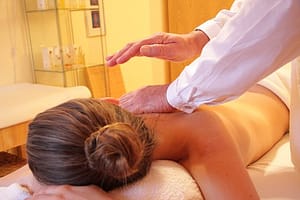
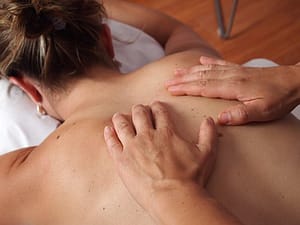
Massage can be beneficial for people with health conditions such as diabetes, cancer, high blood pressure or anxiety. Massage provides numerous benefits. It also plays a great role in boosting your blood circulation, skin health and the operation of your digestive and urinary system. Additionally, it improves the growth, sleep, and immunity in infants. It is a fact that regular sessions of massage ensure the well-being of your physical and mental health. The benefits of massage will change your whole lifestyle hence making you enjoy your life more. Below are some of the major benefits of massage:

Immune systemspa

The immune system of your body is what fights viruses and infections. To make your immunity stronger, you should get yourself a massage on a regular basis. For a fact it will also build your protective cells for neutralizing viruses which may lead to cancer. Additionally, a strong immune system does a lot to keep you in good shape and healthy.

Infant growth

Doctors from all over the globe recommend that infants should also get a massage. The reason is that it assists infants to gain weight, especially the premature babies. It also strengthens the muscle tissue of the infants.

Anxiety

It goes without explaining that anxiety and other psychological issues are all the rage of today. If you want to minimize your anxiety, getting a massage on the regular is the way to go. Children and adults can reduce their stress too.

Diabetes

Apart from reducing your anxiety massages help you control your blood sugar level. That is why professionals recommend massage sessions to prevent diabetes in children.

Good sleep

If you are finding it hard to get some, you can get a massage for some relief and relaxation too. This will enable you to acquire better sleep at night especially if you experience sleep disorder. At the close of a tedious day, you can get yourself a massage to eliminate exhaustion and to rejuvenate yourself.

Pain

spaAfter undergoing surgery, massage can assist patients to minimize the feeling of pain. Apart from this, it can also provide you relief from lower back ache and migraines. A session of massage per week is sufficient to make a substantial reduction in your pain and suffering.

Blood circulation

It is a well-known fact that massage improves the blood circulation in your whole body. It enables your heart to receive sufficient oxygen and reduces your chances of experiencing a heart attack.

shoes

Tips on how stairs can boost your healthTips on how stairs can boost your health

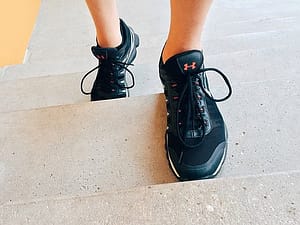
Did you have any idea that frequent usage of stairs could save your life? Climbing only eight flights of stairs each day can significantly improve your health and minimize your risk of early death. This form of exercise has become quite popular to the point that you can acquire free smartphone apps that can count the number of steps you can climb and record how many calories you have been able to burn. Below are some ways that climbing stairs regularly can be beneficial to your health:

Helps your heart

Climbing stairs raises your heart rate ashoesnd prevents blocked arteries and high blood pressure. This substantial boost to your cardiovascular system minimizes the risk of falling victim to severe conditions like diabetes, heart disease, diabetes and vascular dementia.

Helps in weight loss

Stair climbing is a vigorous form of exercise, and it burns more calories per minute than going for jogging. The amazing fact is that the heavier you weigh, the more calories you will burn. Even if you were walking upstairs at a normal speed, you will use at least twice the amount of energy than if you were taking a stroll at the ground, so sooner or later you will find yourself shedding some weight.

Relieves stress

Walking up the stairs will improve your mental state, as the physical exertion emits pain-killing endorphins which are the feel-good hormones that release tension and provides your spirit with a lot of elevation. Regular exercise raises your energy levels, enabling you to feel better about the universe.

Builds bone and muscle strength

Climbing a staircase is simply a more strenuous form of taking a walk. This is because you have to pull against gravity, it requires greater effort, so it is more of a way of working out. This exercise is good for your body because it increases your strength, bone density and muscle tone too thus the possibility of acquiring osteoporosis is significantly reduced.

Fits in with today’s busy lifestyle

lifestyle  Climbing stairs is flexible, convenient and time-efficient unlike going to the gym. You can start with one or two flights if you please and gradually go on your way up. Even if you are a busy person, you can utilize staircases in public places like flyovers, train stations, multi-storey car parks, office buildings. Stair climbing is a relatively easy practice to incorporate into your life. Regular exercise can create a real difference to people’s long-term health, so getting an activity that you can sustain for an extended period will be beneficial for your fitness goals.